Yard Grading in Houston, TX
Yard grading services involve shaping and leveling the soil on a property to ensure proper drainage and a stable foundation for landscaping, lawns, or construction projects. This process typically includes removing excess soil, filling low spots, and creating a gentle slope away from structures to prevent water pooling and potential damage. Homeowners often request yard grading when preparing a yard for new landscaping, installing a driveway, or addressing existing drainage issues that cause flooding or erosion.
Before requesting yard grading, property owners should consider the current condition of the yard, including areas prone to standing water or erosion. It’s important to understand the desired slope and drainage pattern to achieve effective results. Clarifying the scope of the project, such as whether it involves reshaping large areas or focusing on specific zones, can help ensure the work meets the property’s needs. Proper planning can contribute to a healthier yard and protect the property from water-related problems.
Many property owners in Houston, TX look into Yard Grading for repairs, replacements, upgrades, and appearance-related improvements.
Yard Grading Services
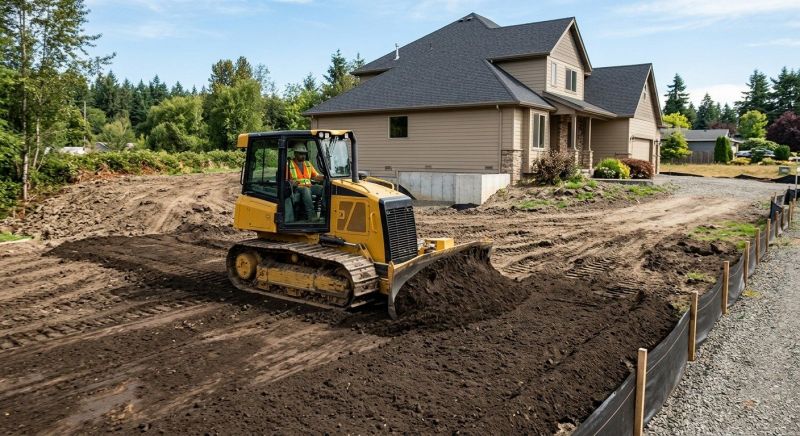
Examples of yard grading work property owners may explore in houston, tx.
Yard Grading Updates
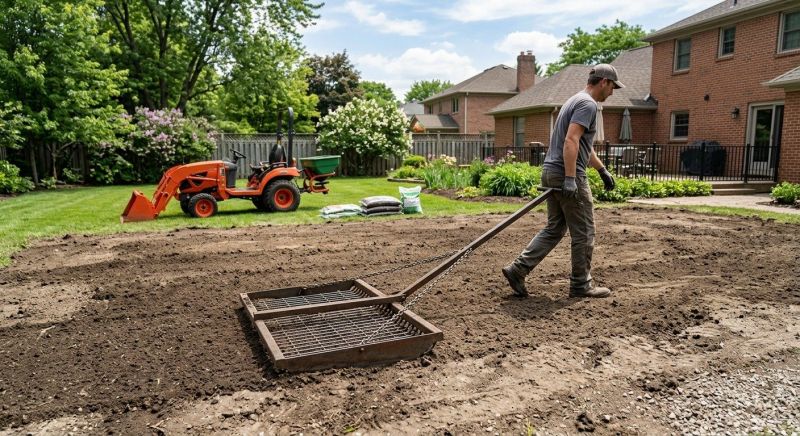
Common ways people refresh, improve, or restore yard grading features in houston, tx.
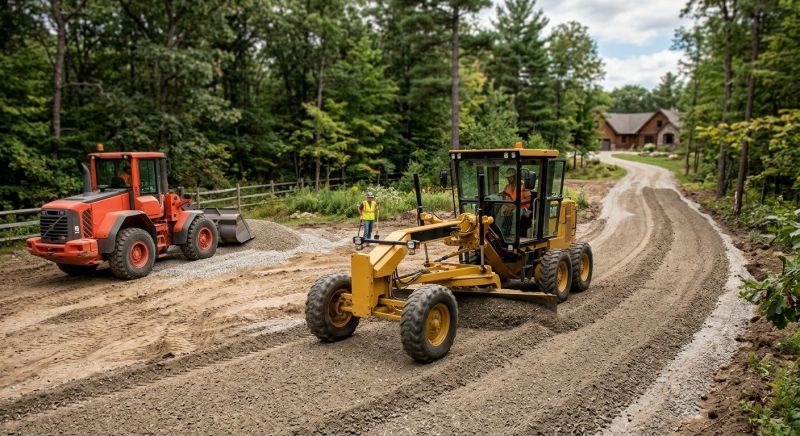
Yard Grading Options
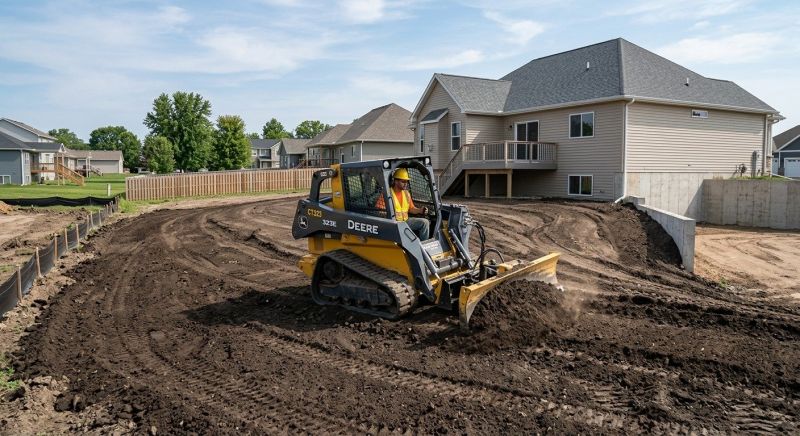
Different styles, layouts, and finishes people consider for yard grading in houston, tx.
Yard Grading in Houston, TX

Yard grading services involve shaping and leveling the soil on a property to ensure proper drainage and a stable foundation for landscaping, lawns, or construction projects. This process typically includes removing excess soil, filling low spots, and creating a gentle slope away from structures to prevent water pooling and potential damage. Homeowners often request yard grading when preparing a yard for new landscaping, installing a driveway, or addressing existing drainage issues that cause flooding or erosion.
Before requesting yard grading, property owners should consider the current condition of the yard, including areas prone to standing water or erosion. It’s important to understand the desired slope and drainage pattern to achieve effective results. Clarifying the scope of the project, such as whether it involves reshaping large areas or focusing on specific zones, can help ensure the work meets the property’s needs. Proper planning can contribute to a healthier yard and protect the property from water-related problems.
Many property owners in Houston, TX look into Yard Grading for repairs, replacements, upgrades, and appearance-related improvements.
Common Yard Grading Jobs
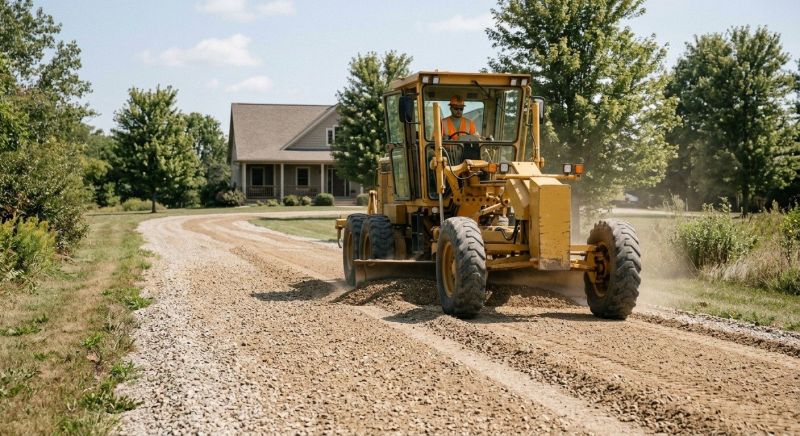
Yard grading involves shaping the landscape to ensure proper drainage and prevent water pooling.
Landscape grading helps create a level foundation for lawns, gardens, and outdoor features.
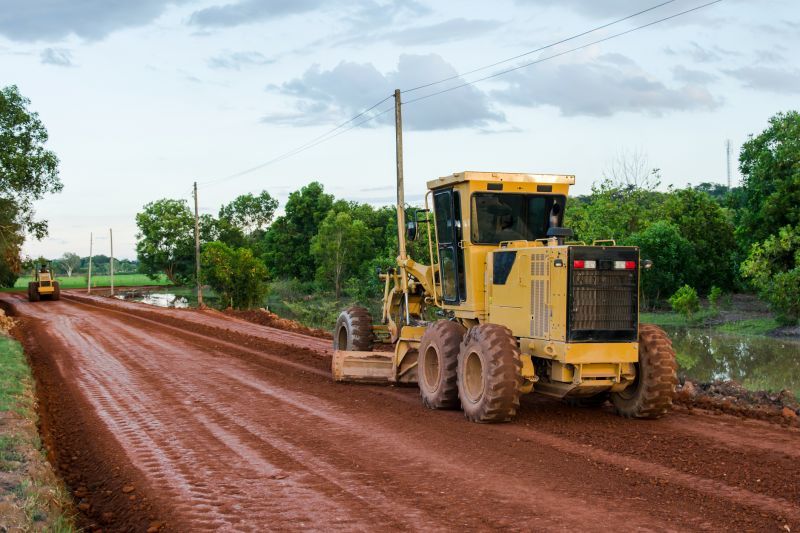
Driveway and walkway grading ensures smooth, even surfaces for safe access and improved curb appeal.
Erosion control grading stabilizes slopes and prevents soil loss around the property.
Foundation drainage grading directs water away from building foundations to protect structural integrity.
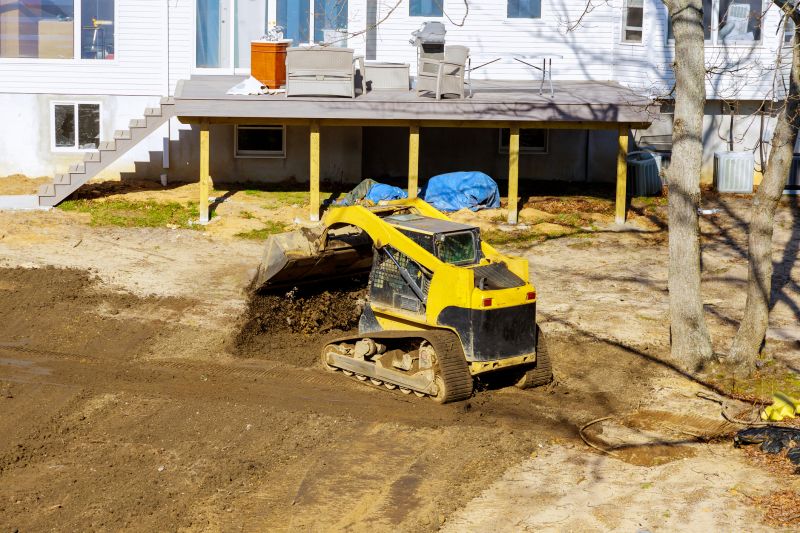
Yard leveling corrects uneven terrain to improve usability and prepare for landscaping projects.
Yard Grading Questions
What is yard grading? Yard grading involves adjusting the slope of the land to ensure proper drainage and prevent water pooling around the property.
Why is yard grading important? Proper yard grading helps protect foundations, reduces erosion, and maintains a healthy landscape by directing water away from structures.
What types of projects require yard grading? Projects include leveling uneven terrain, improving drainage for gardens, and preparing the yard for landscaping or construction.
How does yard grading benefit property owners? It enhances property safety, prevents water damage, and supports better landscape management by creating effective water flow.
Request Yard Grading in Houston, TX
Use the quote form on this page to share the basics of your project and request more information for the type of work you need.